





We are a team of art lovers and aesthetes from varied creative domains - actual artists, designers, as well as engineers and scientists, based in Noida, India, and California, USA. Our compelling urge to bring the IT revolution of the century, the Internet, to the threshold of Indian Art and Crafts resulted in the birth, in the year 2000, of this truly comprehensive site which not only makes Indian art commercially available through the net, but is also educative, informative and indeed promotes Indian Arts by providing a forum to everyone c


Our Exhibitions
Since the year 2000, Indian Art Circle has been synonymous with physical and online exhibitions of high quality at premium venues in India and abroad. In every level of involvement, from full in-house productions to extending online support, IAC consistently promotes contemporary Indian artists of exceptional talent and potential.
EXPERIMENTS WITH TRUTH, THE JERUSALEM BIENNALE PRECURSOR SHOW
13th to 21st July, 2019,New Delhi
The dynamic, sometimes challenging, process of seeking truth, even in mundane matters, is connected at its core to a tradition of dispute. It is a uniquely Jewish path which empowers humankind’s quest to repair the world, and along the way, perhaps even find transcendence.
___> Shridharani Gallery, Triveni Kala Sangam, New Delhi
New Delhi 2019
___> Shridharani Gallery, Triveni Kala Sangam, New Delhi
New Delhi 2019
FESTIVAL OF INDIA – "INDIA AT 70"
Bangkok 2017, Delhi 2018
Mapping the Canvas of Indian Post Modern and Contemporary Art, at 70 years of Indian Independence, through fresh works of artists representing an era, from those who were active at the time of India’s Independence to those who define cutting edge art today.. Curated by Gargi Seth, as part of ICCR's Festival of India in Thailand.
___> BACC; Chulalongorn University; Triveni Kala Sangam
Bangkok 2017, Delhi 2018
___> BACC; Chulalongorn University; Triveni Kala Sangam
Bangkok 2017, Delhi 2018
IAC In the News
Indian Art Circle Exhibitions are covered by many media houses.
View AllArtist of the month
Indian Art Circle Artist of the Month :
IAC
Art Scape
-
 Shimmering Lotus - I
 -
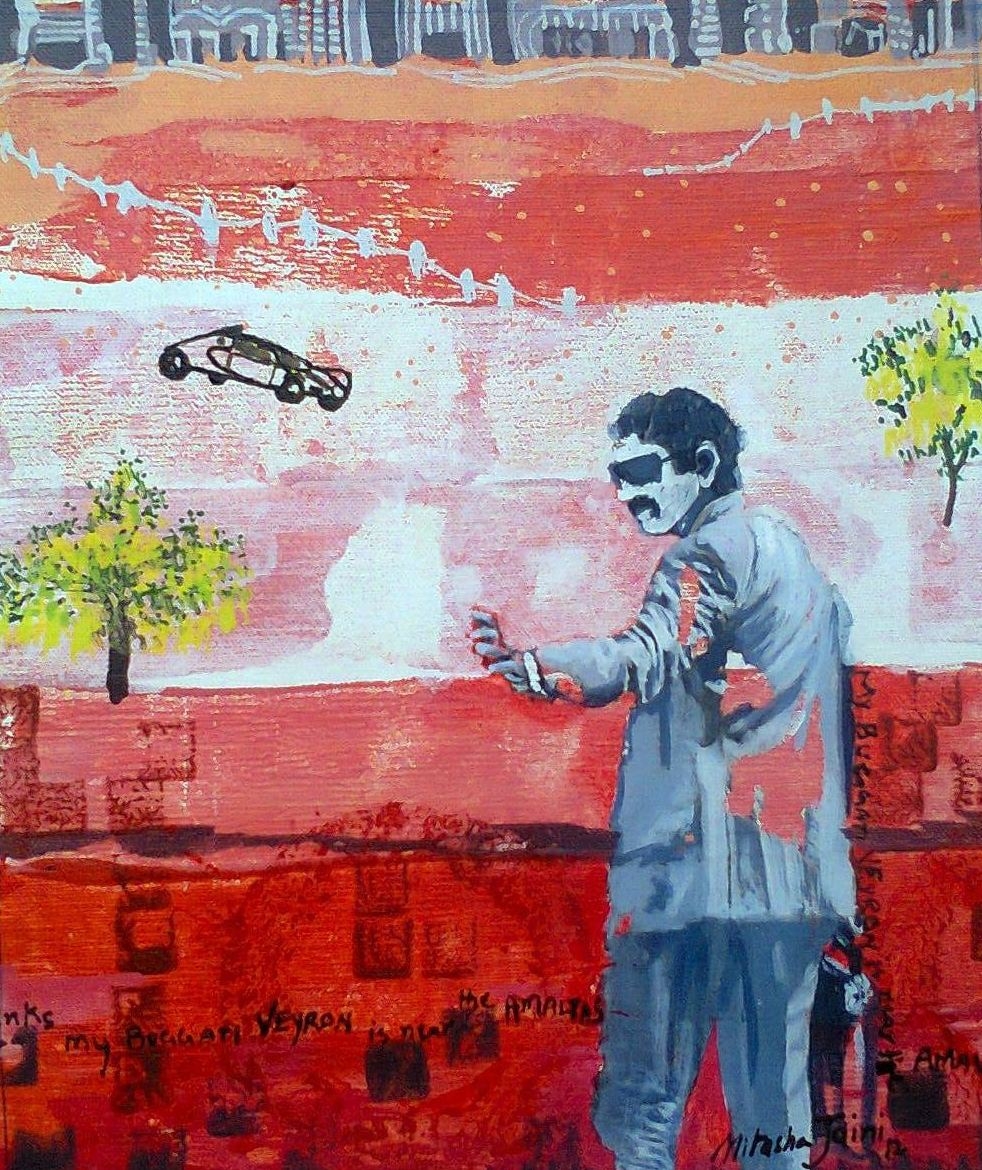 Bugatti Veyron IV
 -
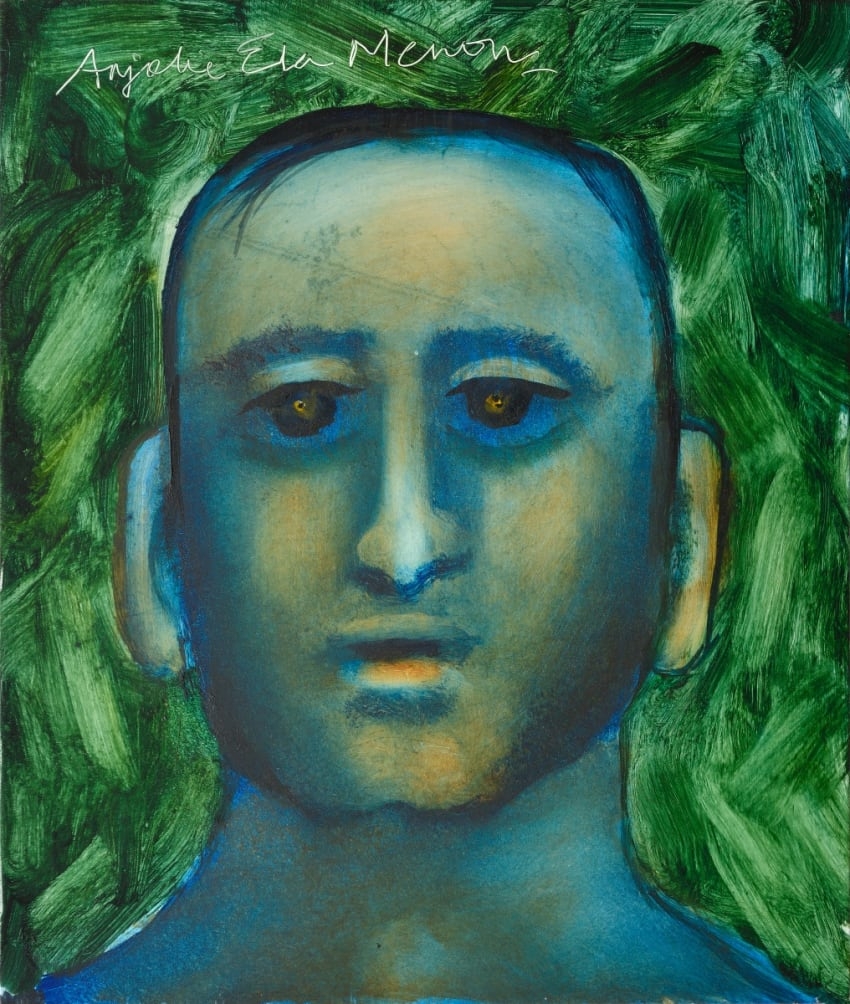 Rajaraja 22
 -
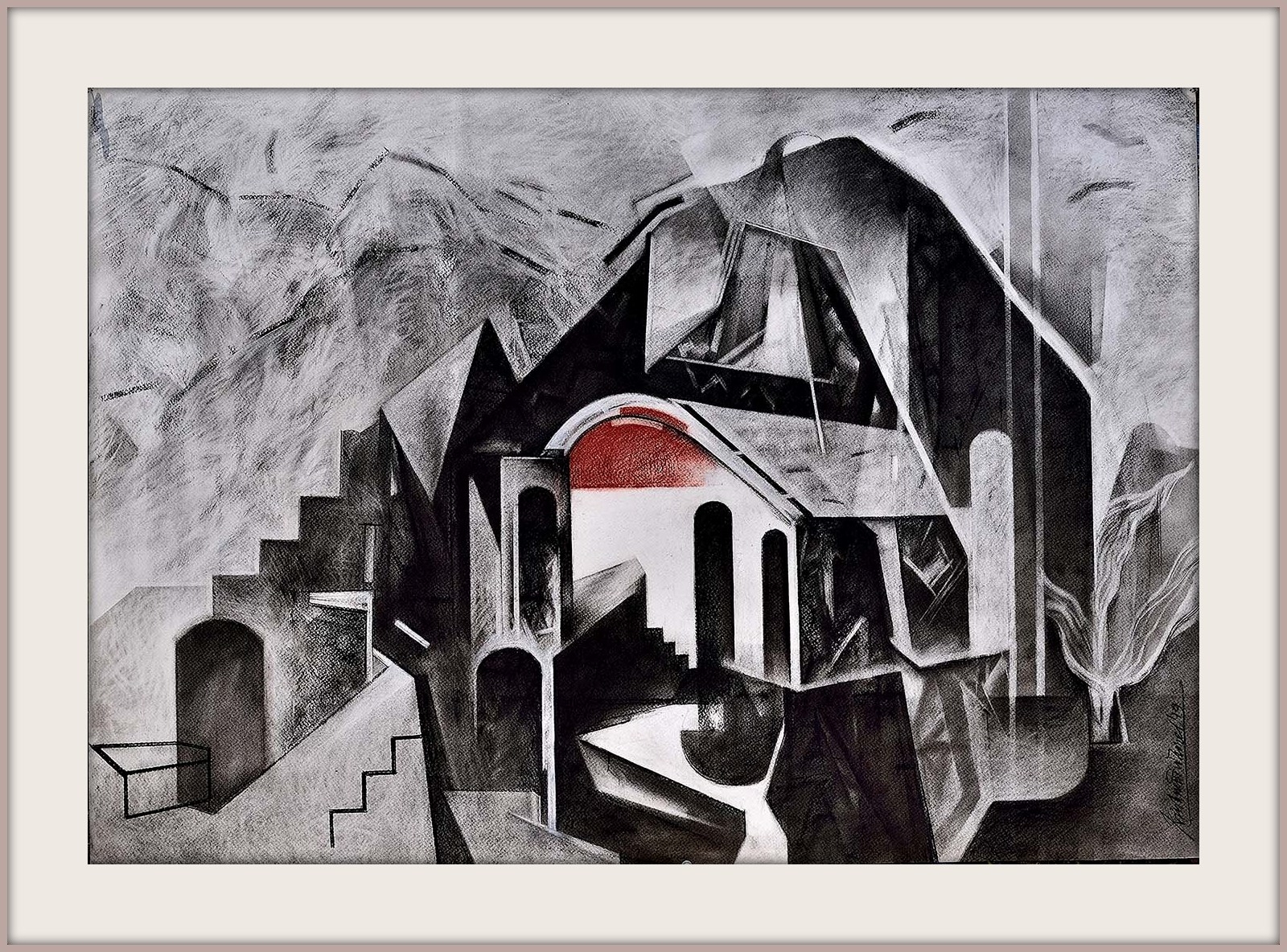 Drawing-I
 -
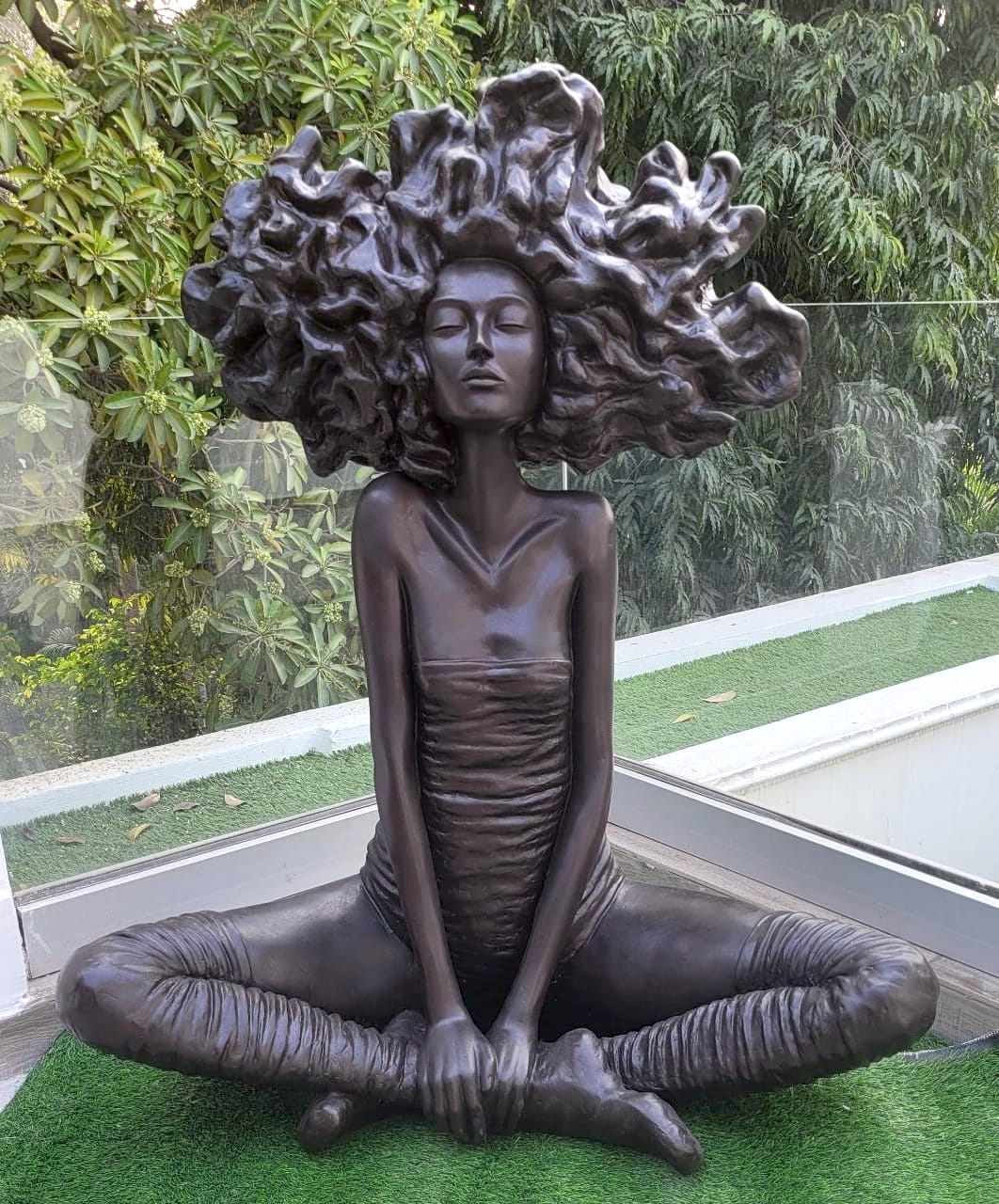 Dream and Desire
 -
 Rashmi-sample-5
 -
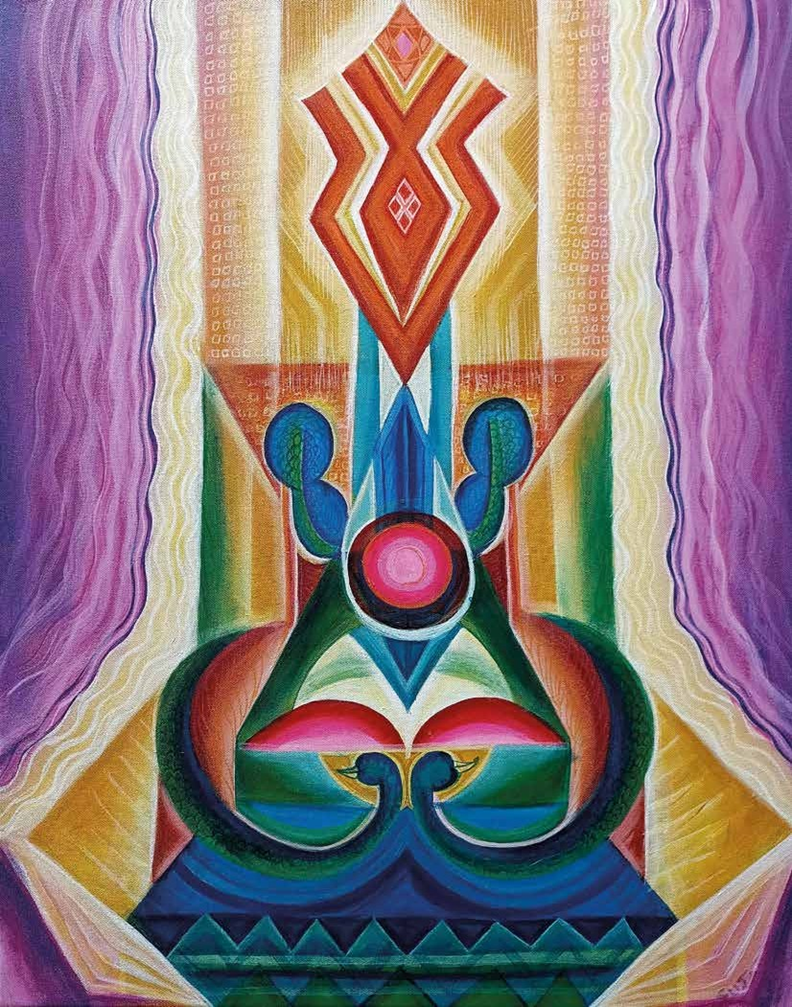 Divine Aura
 -
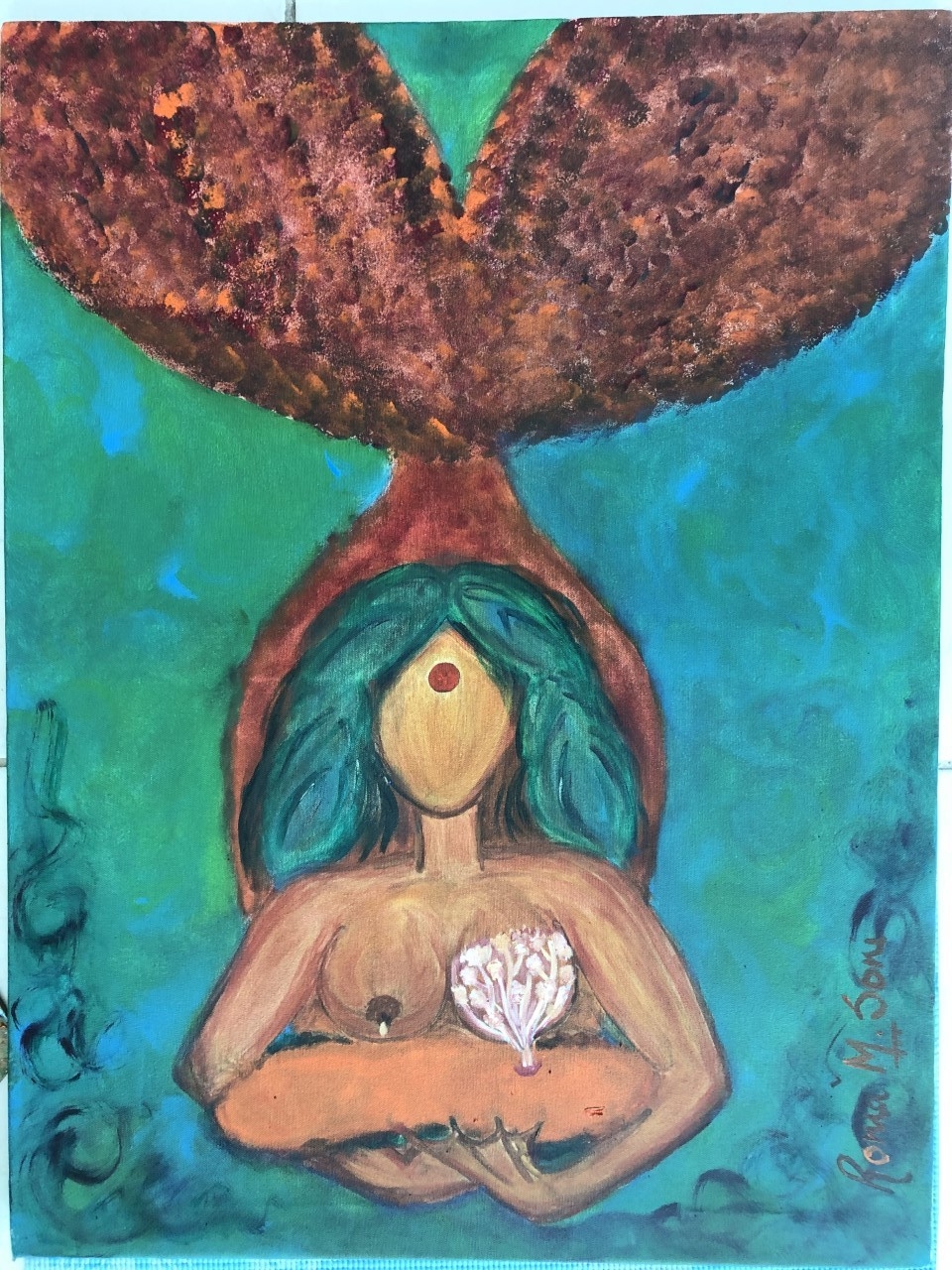 Coral Wombs blossom within Blue Ecologies 7
 -
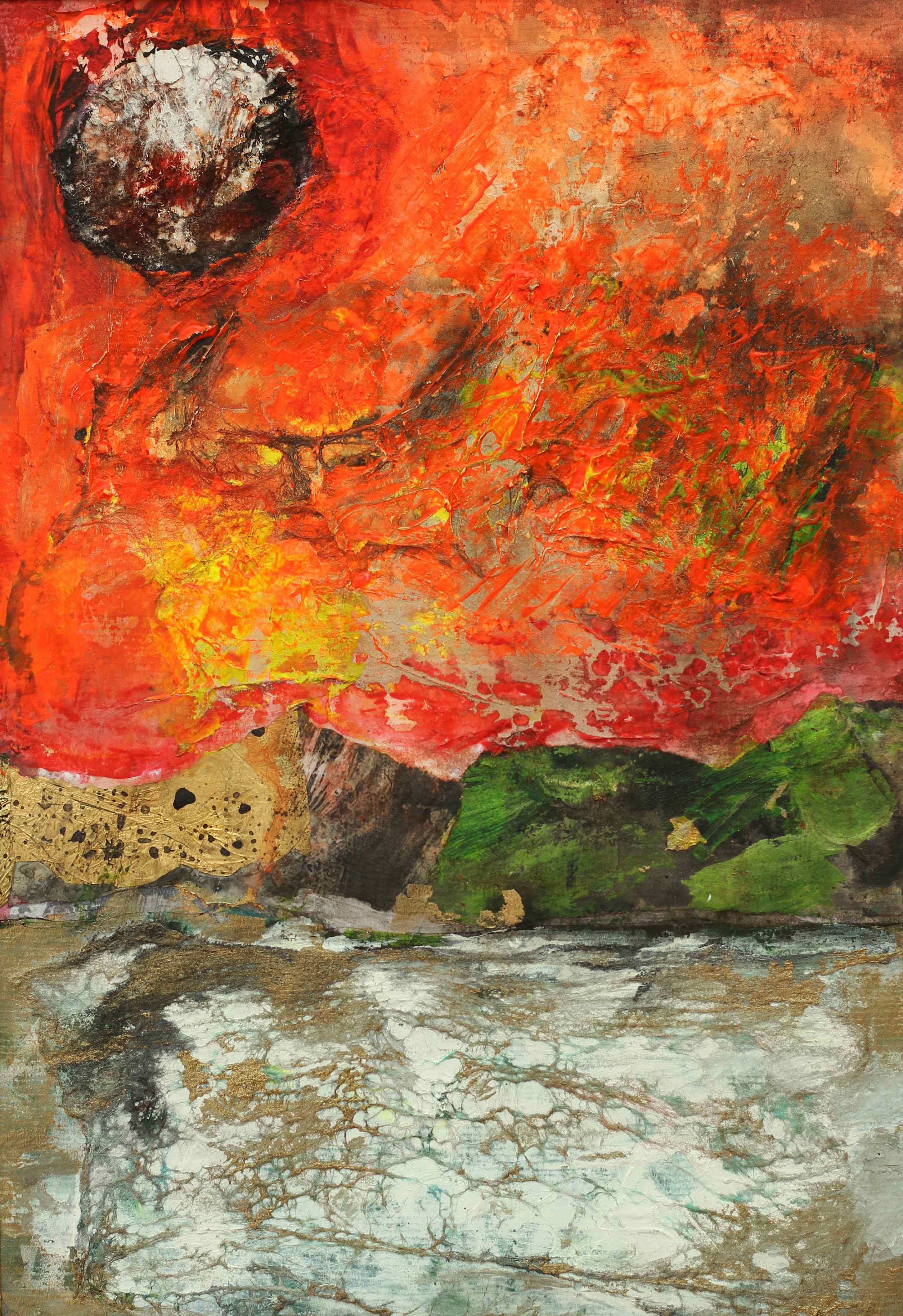 Glorious Nature 1
 -
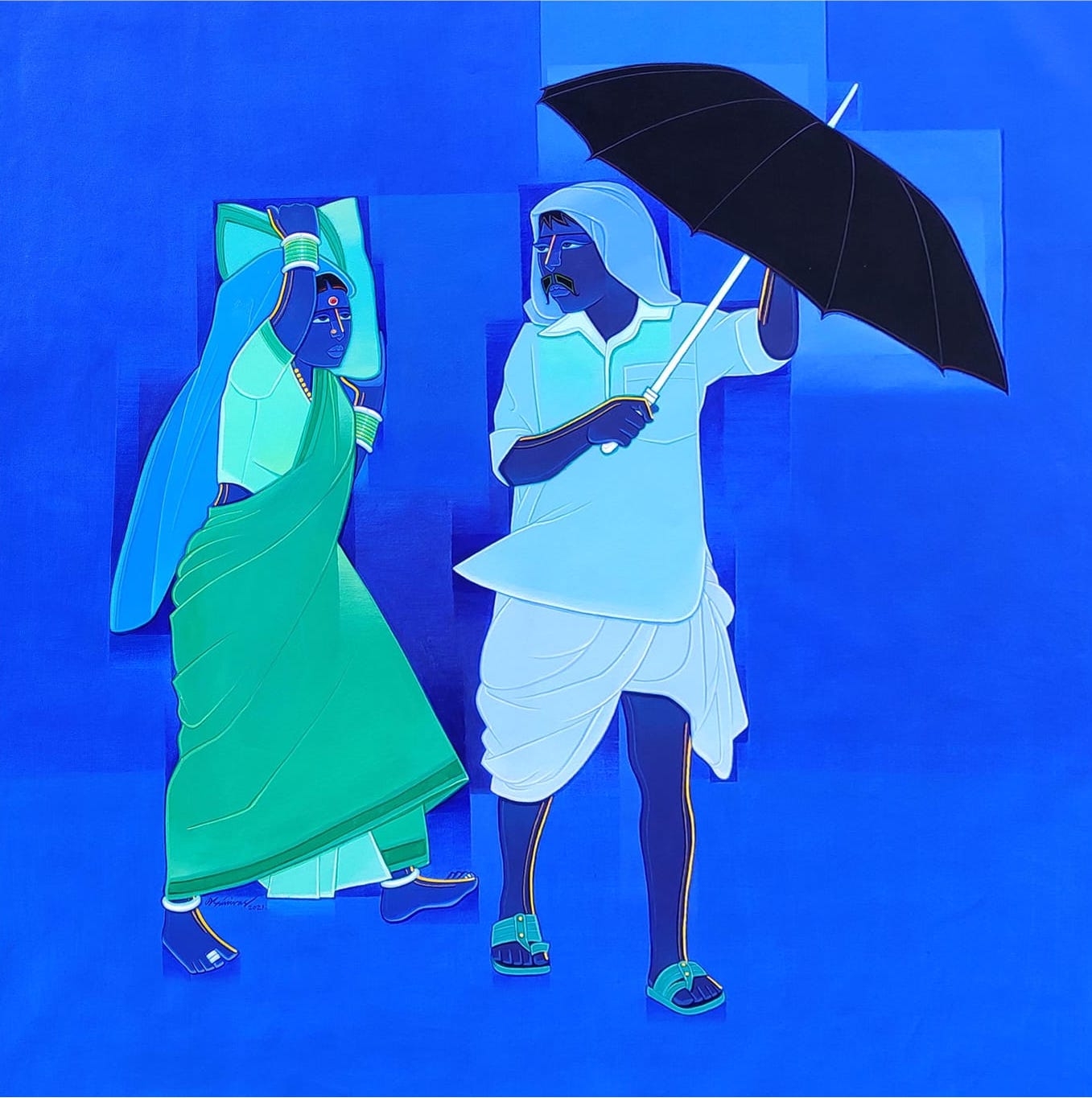 Umbrella